

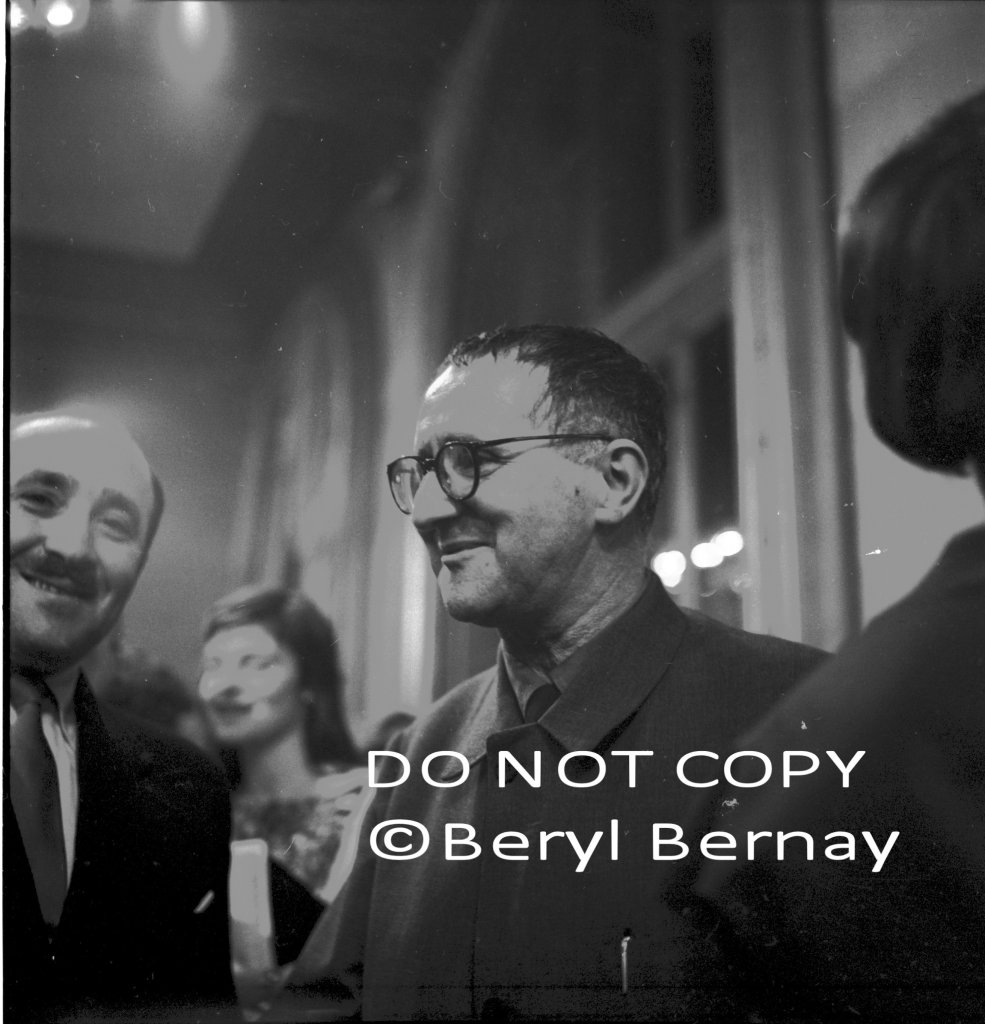
Theirs was a brief but poignant encounter; they were both participants in Paris’ second International Dramatic Arts Festival in 1955.
Brecht and Beryl spent only one evening together. It was in the month of June, and also present were Helene Weigel and Brecht’s then-current mistress (whose name I don’t know). As the story goes, it was a memorable evening – first, there was the Berliner Ensemble’s Brecht-directed performance of The Caucasian Chalk Circle at the Sarah-Bernhardt Theatre, then the reception, and after that, the four of them talking, laughing, and drinking the night away in a café until dawn.
Beryl had just arrived in Paris for her walk-on role in the ANTA production of Thornton Wilder’s The Skin of Our Teeth, which was to play at the same theater the following week. As Beryl was young, talented, beautiful, and complicated, it’s easy to imagine theirs was a magnetic connection of kindred spirits.
She said, “I loved him so much! I asked him to send me all the material from the Berliner Ensemble, and he asked, ‘Aren’t you afraid? They’re going to know you are a communist sympathizer.’ I wasn’t afraid, and he sent me all the material!” Perhaps Brecht’s brilliance and vibrancy met a match in the young Beryl Bernay.
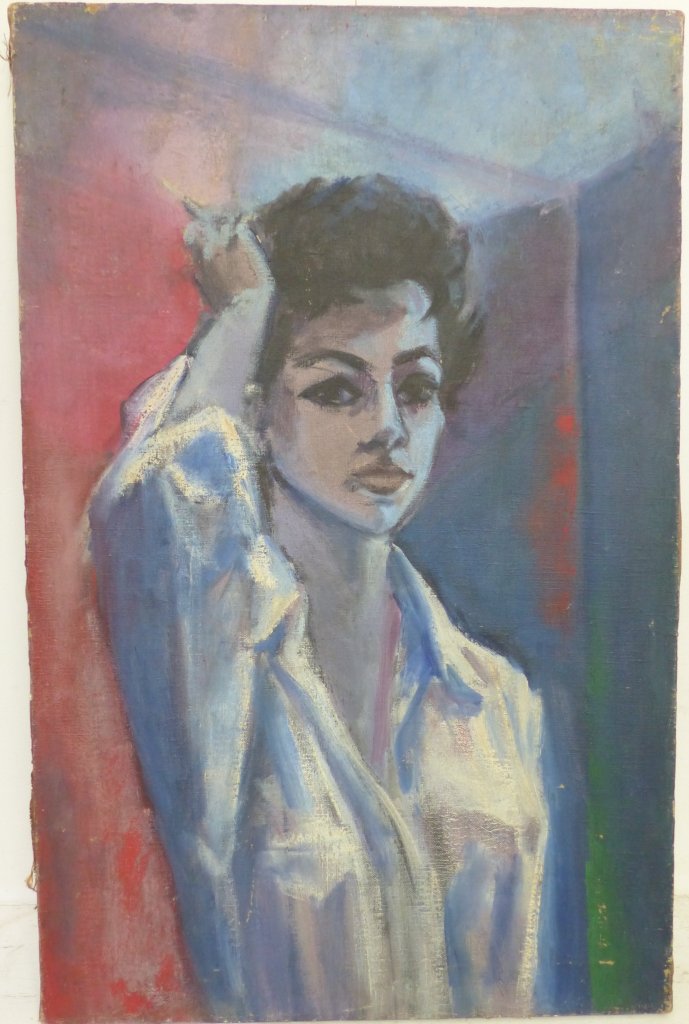
Even at 29, her age when she met Brecht, she was a creative force to be reckoned with – an accomplished actress (she had already performed on Broadway several times), a fashion designer (she designed one of the first “Young Miss” lines when she was 16), and an emerging artist (Phillip Guston recognized her talent and critiqued her work on a regular basis).
It was during this same summer that Beryl drove from Paris to Villefranche, with her dog in tow, to meet her hero, Pablo Picasso. Her photographs of Picasso and Chagall (from the same road trip) were published in Harper’s Bazaar. Months later, while living in Rome, Beryl met Roberto Rossellini and persuaded him to invite her to his villa in Santa Marinella to meet his wife, Ingrid Bergman, whose love affair with the American press had ended five years prior. Thus, Beryl became the first American journalist Ms. Bergman was willing to be interviewed by (but that’s a whole other story).
When Beryl returned to New York, she resumed acting on stage and television, yet remained faithful to her lifelong passion: painting. Her children’s program on New Jersey Public Television was purchased by CBS, which meant that, after an emotional night reconciling that she’d have to put painting on the back burner, Beryl poured all her energy into creating, writing, and hosting the country’s first multicultural children’s program, All Join Hands.
From there, she stepped onto the world stage as an international correspondent reporting before, during, and after the 1965 Indonesian coup. (Her work from that time is currently being processed for inclusion in the permanent collection of Yale’s Beinecke Rare Book & Manuscript Library.) For decades, she traveled the world as a correspondent and United Nations consultant while continuing to draw and paint whenever and wherever possible.
She remained an accomplished original force throughout her life – active in Civil Rights, engaging with many of the world’s best and brightest, acting and painting well into her later years. Like Brecht, Beryl was a creative soul not to be compromised – or tamed.
You can see Ms. Bernay’s art and learn more about her at BerylBernay.com.
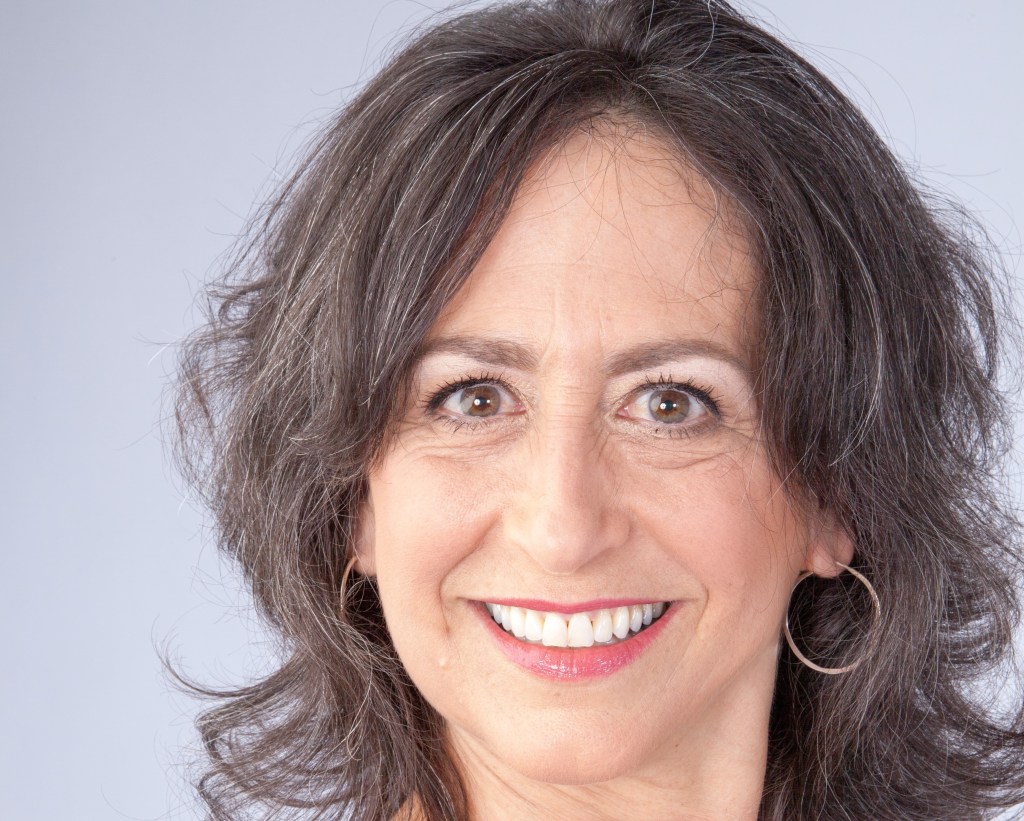
Though known in the art circles as Beryl’s niece, Carol Gonzalez is also a long-time dance (Nia) and yoga instructor. She lives in Portland, Oregon with her husband and is the mother of two grown sons.
Cover photo: Beryl Bernay & Florence Reed.

 E-CIBS